
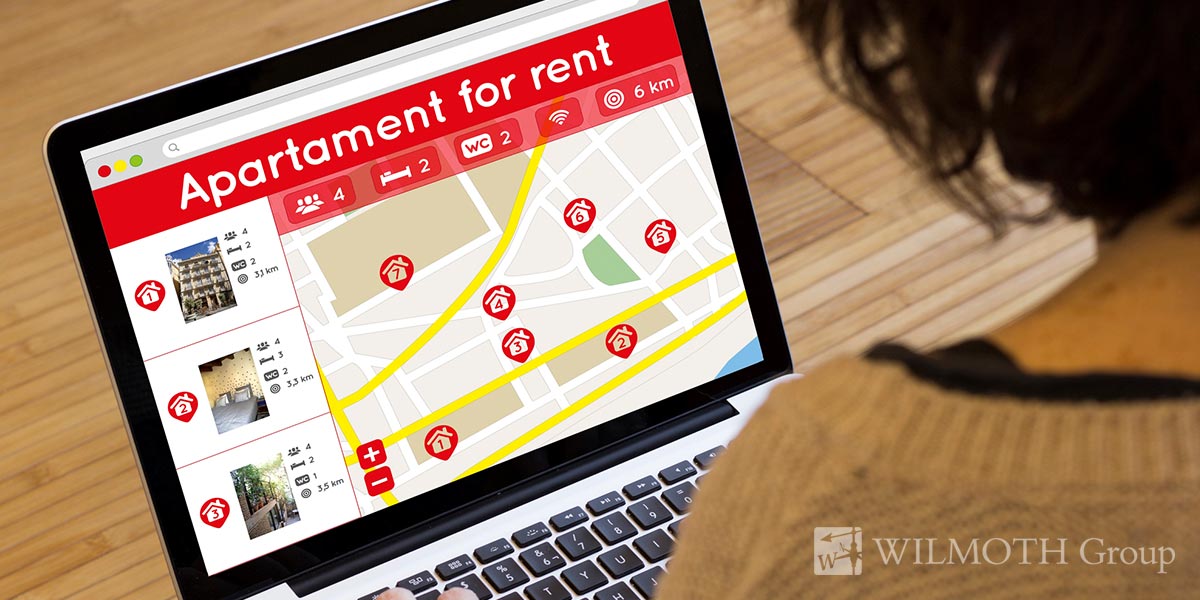
When it comes to rental property investments in Indianapolis, one factor consistently stands above the rest—location. You’ve probably heard the old saying, “location, location, location,” and in real estate, it’s more than just a catchy phrase. It’s the single biggest influence on how much rent a property can command, how quickly it gets leased, and even what type of tenants it attracts.
At WILMOTH Group, we’ve managed rental homes across Indianapolis and seen firsthand how neighborhoods can make or break a property’s performance. Whether you’re buying your first investment property or managing several, understanding how location impacts rental value in Indianapolis can help you make smarter decisions and maximize returns.
Why Location Is the Foundation of Rental Value
Location affects nearly every aspect of a rental property’s success—from rent pricing and tenant demand to appreciation and maintenance costs. Think about it: two homes with identical floor plans can have drastically different rental rates simply because of where they sit on the map.
Here’s what drives that difference:
- Proximity to amenities like shopping, dining, and entertainment
- Access to quality schools and safe neighborhoods
- Commute times to major employers or downtown areas
- Neighborhood appeal and overall reputation
- Public transportation and highway access
Tenants want convenience, comfort, and community. A well-located rental checks all three boxes.
The Indianapolis Rental Market: Location Shapes Everything
Indianapolis has one of the most stable and affordable rental markets in the Midwest, making it attractive to both investors and renters. But rental values can vary widely from one neighborhood to another.
For instance, homes near downtown Indy, Broad Ripple, or Fountain Square tend to rent for higher amounts than similar homes farther from the city center. That’s not because of size or features—it’s because tenants are willing to pay more for walkability, culture, and proximity to nightlife and restaurants.
Meanwhile, suburban areas like Fishers, Carmel, and Greenwood attract families looking for larger spaces, top-rated schools, and quiet streets. Those properties may command high rents too, but for different reasons.
Understanding what makes each area desirable helps landlords set realistic expectations for rental income.
What Tenants Look For in Indianapolis Rentals
If you want to understand rental value, look at it through a tenant’s eyes. Tenants in Indianapolis are looking for a mix of affordability, safety, and convenience. So, what exactly influences their decision to rent one home over another?
- Commute and accessibility: With major employers like Eli Lilly, IU Health, and Salesforce downtown, renters often prioritize easy access to the interstate or major roadways.
- School districts: Families place high value on reputable schools. Homes within strong districts, like those in Carmel Clay or Washington Township, can easily rent for more.
- Neighborhood character: Areas with parks, sidewalks, and active community associations tend to attract long-term renters.
- Local amenities: Access to grocery stores, restaurants, and entertainment options all boost desirability.
- Public transit and infrastructure: Tenants who rely on IndyGo or prefer walkable neighborhoods favor properties close to bus lines or bike trails.
A property located near these conveniences is simply more appealing—and that drives up rental value.
Indianapolis Neighborhoods That Influence Rental Pricing
Different areas across Indianapolis offer unique benefits, each shaping rental demand in its own way. Here’s a snapshot of some popular rental zones:
- Downtown Indianapolis: High demand from young professionals seeking walkability and entertainment. Loft-style apartments and condos perform especially well here.
- Broad Ripple: Trendy, artsy, and full of restaurants and nightlife. Perfect for young adults who want city living without the downtown rush.
- Carmel and Fishers: Suburban stability with award-winning schools. Excellent for families seeking space and quiet.
- Irvington: Historic charm with tree-lined streets. Great for renters who value character and community.
- Southport and Greenwood: Affordable suburban options close to shopping and major highways.
- Westfield and Zionsville: Premium suburban areas with growing job markets and top-tier schools.
Each of these neighborhoods offers something different, but they all prove one point: location determines demand—and demand determines rent.
The Role of Schools and Education in Rental Value
Ask any Indianapolis property manager, and they’ll tell you—school districts play a massive role in rental value. Families are often willing to pay higher rents just to live in a desirable district.
For example, homes within Carmel Clay, Zionsville, or Hamilton Southeastern School Districts often command premium rental rates. Even smaller rental homes in these areas can outperform larger ones elsewhere simply due to their educational zoning.
If you’re looking to invest in a rental, consider researching district ratings before buying. The long-term payoff can be substantial.
Safety, Reputation, and Neighborhood Appeal
A safe and well-maintained neighborhood does more than just keep tenants happy—it increases the value of your investment. Tenants prioritize safety above almost everything else, and they’re often willing to pay more for peace of mind.
Neighborhoods with strong community involvement, active neighborhood watches, and visible upkeep tend to experience higher demand. Renters are drawn to areas that look cared for, where neighbors mow lawns, maintain landscaping, and take pride in their homes.
Reputation also matters. Areas with a strong sense of community—like Meridian-Kessler or Butler-Tarkington—tend to attract longer-term tenants, which means fewer turnovers and more stability for landlords.
Access to Employment and Transportation
Indianapolis is known for its strong job market and growing economy. The closer a rental property is to major employment hubs, the more attractive it becomes.
Key employment areas like downtown Indy, Keystone at the Crossing, and the I-69 corridor continue to expand. Tenants want to cut down commute time and fuel costs, so properties within a short drive—or near public transit—gain a competitive edge.
Proximity to major highways like I-65, I-70, and I-465 also boosts value since tenants can easily reach multiple parts of the city.
Amenities That Boost Rental Appeal
Location is about more than geography—it’s about lifestyle. Neighborhoods that offer nearby conveniences create daily ease for tenants. Some of the top local amenities that raise rental value in Indianapolis include:
- Grocery stores and farmers markets
- Gyms and fitness centers
- Restaurants and entertainment venues
- Parks, walking trails, and dog parks
- Libraries and community centers
- Shopping malls like Castleton Square or Greenwood Park Mall
If your rental sits near a cluster of these amenities, you’ve already got a selling point.
How Future Development Impacts Rental Value
Indianapolis is growing fast, and development plays a huge role in property values. New retail spaces, road expansions, or transit improvements can all increase demand—and rent potential—in nearby areas.
As property managers, we pay close attention to planned projects because they often predict which areas will grow in value next. For example, neighborhoods benefiting from infrastructure upgrades or urban revitalization programs tend to see rising rents within just a few years.
Staying informed about upcoming development is one of the smartest ways to stay ahead in the rental market.
Balancing Affordability and Profitability
Every landlord wants the best return on investment, but higher rent doesn’t always mean better profit. It’s all about balance. A property in a desirable area with steady demand may rent slightly lower than a brand-new luxury home—but if it stays occupied year-round, your long-term profits could be stronger.
At WILMOTH Group, we help landlords analyze rental data across Indianapolis neighborhoods to find that sweet spot between rent potential and tenant retention.
How Property Management Helps Maximize Location Value
Even in a great location, a property won’t reach its full potential without proper management. Professional property management ensures the location advantages translate into real-world results.
Our team at WILMOTH Group handles everything from market analysis and pricing strategy to maintenance and tenant relations. We evaluate your property’s neighborhood strengths and use that data to:
- Set competitive rental rates
- Market listings to the right audience
- Screen tenants who value the area’s amenities
- Handle maintenance that preserves curb appeal
When location and management align, rental value naturally rises.
Investing in the Right Location: Tips for Landlords
If you’re thinking about buying or expanding your rental portfolio in Indianapolis, here’s what to keep in mind:
- Research neighborhoods carefully. Look at school ratings, crime data, and rental demand.
- Follow job growth. Areas near growing employers tend to attract stable tenants.
- Watch development trends. New construction or road improvements signal future demand.
- Balance rent and affordability. High rent doesn’t help if vacancy rates increase.
- Consult local experts. A professional property manager knows where rental demand is strongest.
By understanding how location drives value, you’ll make smarter investments that perform well over time.
Why WILMOTH Group Is Your Partner for Indiana Property Success
Location might be the foundation of rental value, but expert management is what keeps that value growing. At WILMOTH Group, we combine local market knowledge with decades of experience to help Indiana landlords make informed decisions.
We understand the subtle differences between neighborhoods, track rental pricing trends, and handle every detail of property care. Whether you own a single-family home in Avon or a multi-unit in downtown Indy, our team ensures your property stands out—and stays profitable.
When you choose the right property in the right location, backed by the right management, success isn’t just possible—it’s predictable.