
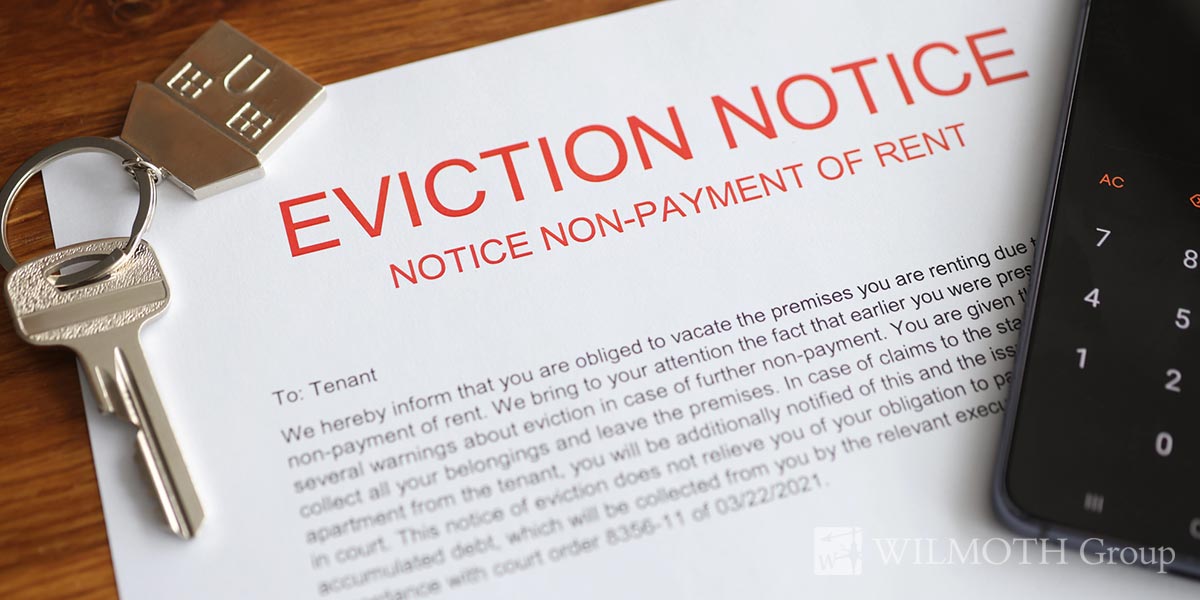
No one gets into property management in Indiana hoping to evict a tenant. But sometimes, despite your best efforts, things just go south. Maybe rent’s overdue again. Maybe your tenant ignored every warning about loud parties. Or maybe they just vanished, leaving your unit in chaos. Whatever the reason, it’s essential for Indiana landlords to know the eviction laws inside and out before taking that big legal step.
Handling an eviction improperly can cost you time, money, and a whole lot of headaches. So if you’re a landlord in Indiana, buckle up—we’re breaking down everything you need to know about eviction laws to protect your property and do things the right way.
What Are Valid Reasons for Eviction in Indiana?
Not every frustrating tenant issue is grounds for eviction. In Indiana, you need to have a legal reason. Otherwise, your case won’t hold up in court.
Common Legal Grounds for Eviction
- Non-payment of rent: This is the most frequent reason, hands down.
- Violation of lease terms: This could include unauthorized pets, property damage, or illegal activity.
- Holdover tenancy: When a tenant stays after their lease ends without permission.
- Health and safety violations: If the tenant is endangering others or the property.
Keep in mind, “just not liking them†doesn’t make the list.
How Much Notice Does a Landlord Need to Give?
Indiana law is very specific when it comes to notice. You can’t just post a sticky note on the door and expect that to count.
Notice Requirements Vary by Reason
- Non-payment of rent
- Tenants must be given a 10-day notice to pay or vacate.
- If they don’t pay within that window, you can file for eviction.
- Violation of lease terms
- In most cases, you must give reasonable notice to fix the issue (usually 10 days).
- If they don’t correct the violation, then eviction can proceed.
- No lease or expired lease
- For month-to-month tenants, a 30-day written notice is required to end tenancy.
It’s crucial to deliver notices correctly—more on that in a moment.
What’s Considered Proper Notice Delivery?
How you serve the notice matters just as much as what the notice says. If you do it wrong, your case might be dismissed.
Acceptable Methods of Delivery in Indiana
- In person to the tenant
- Posting the notice on the door (preferably with a witness)
- Certified mail, return receipt requested
To be safe, use more than one method—serve in person and send by mail. You want proof.
What Happens After the Notice Period?
If the tenant doesn’t comply within the required timeframe, your next step is to head to court.
Filing the Eviction (a.k.a. Filing for Possession)
- Go to your local small claims court or county courthouse.
- File a complaint for eviction (also called a petition for possession).
- Pay the filing fee (this varies by county).
- You’ll receive a court date, usually within 10-20 days.
The tenant must be officially notified of the hearing, typically by a process server or sheriff.
What to Bring to Your Court Hearing
When your day in court comes, don’t walk in empty-handed. The judge isn’t going to take your word for it—bring evidence.
What Landlords Should Bring
- A copy of the lease agreement
- Any payment records or notices of late rent
- Copies of all written notices you’ve served
- Photos or documents that show lease violations
- Witnesses, if necessary
You don’t have to hire an attorney to represent you, but if the situation is complex, it’s not a bad idea.
What Happens After You Win in Court?
If the court rules in your favor, you’ll be granted a court-ordered eviction (called a “writ of possessionâ€). But that doesn’t mean you can just show up with a box of their stuff.
Enforcing the Eviction
- The sheriff will handle the actual removal of the tenant—not you.
- The tenant usually has 48–72 hours to leave voluntarily.
- If they don’t, the sheriff can come back and physically remove them.
Never try to change the locks yourself, toss their belongings, or shut off the utilities. That’s illegal and can land you in hot water.
Can You Keep the Tenant’s Belongings?
Good question. If the tenant leaves stuff behind, it becomes your responsibility—temporarily.
Indiana Law on Abandoned Property
- You must store the tenant’s belongings for 90 days.
- You can require them to pay storage and moving costs.
- If they don’t retrieve the items in that time, you may dispose of them.
Make sure to document everything. Take pictures of what’s left and log any communication attempts.
How to Avoid Evictions in the First Place
Let’s be real—evictions are stressful, time-consuming, and expensive. It’s better to prevent them whenever possible.
Tips to Avoid Evictions
- Screen tenants thoroughly: Don’t just take their word for it. Run background and credit checks. Call previous landlords.
- Use a solid lease agreement: Vague leases cause confusion. Be clear about rules, rent, due dates, and consequences.
- Maintain good communication: Tenants are more likely to work with you if they feel heard and respected.
- Offer payment plans: If rent is late and they’ve been otherwise solid, try to work something out.
- Document everything: From repairs to rule violations, keep a paper trail. It’ll help you later if things escalate.
Prevention is cheaper—and less stressful—than eviction court.
What About COVID-19 Protections?
As of now, most of the emergency pandemic-related restrictions have expired in Indiana. But it’s still a good idea to check with your county courthouse or state eviction resources for updates before proceeding.
Can You Evict Someone in Winter?
You bet. Indiana doesn’t have any seasonal bans on eviction. If a tenant is violating the lease or not paying rent, you can still pursue eviction—no matter how cold it is outside.
What If the Tenant Claims Retaliation?
Tenants are protected from retaliatory eviction—meaning you can’t kick someone out just because they filed a complaint or reported a code violation.
To Stay on the Right Side of the Law:
- Always have documented, legal grounds for eviction.
- Avoid any appearance of payback.
- Handle all tenant concerns promptly and professionally.
If it looks like you’re trying to punish them for speaking up, you might lose your case—even if they were in the wrong.
Should You Use a Property Manager?
If handling all of this sounds overwhelming, you’re not alone. Many landlords in Indiana turn to property management professionals to handle things like tenant screening, rent collection, and yes—even eviction when necessary.
A good property manager will:
- Stay up to date on local landlord-tenant laws
- Handle court paperwork and hearings
- Coordinate with attorneys and sheriffs
- Protect your property and your peace of mind
If that sounds like a weight off your shoulders, consider working with a trusted Indiana property management team that knows how to handle evictions the legal way.